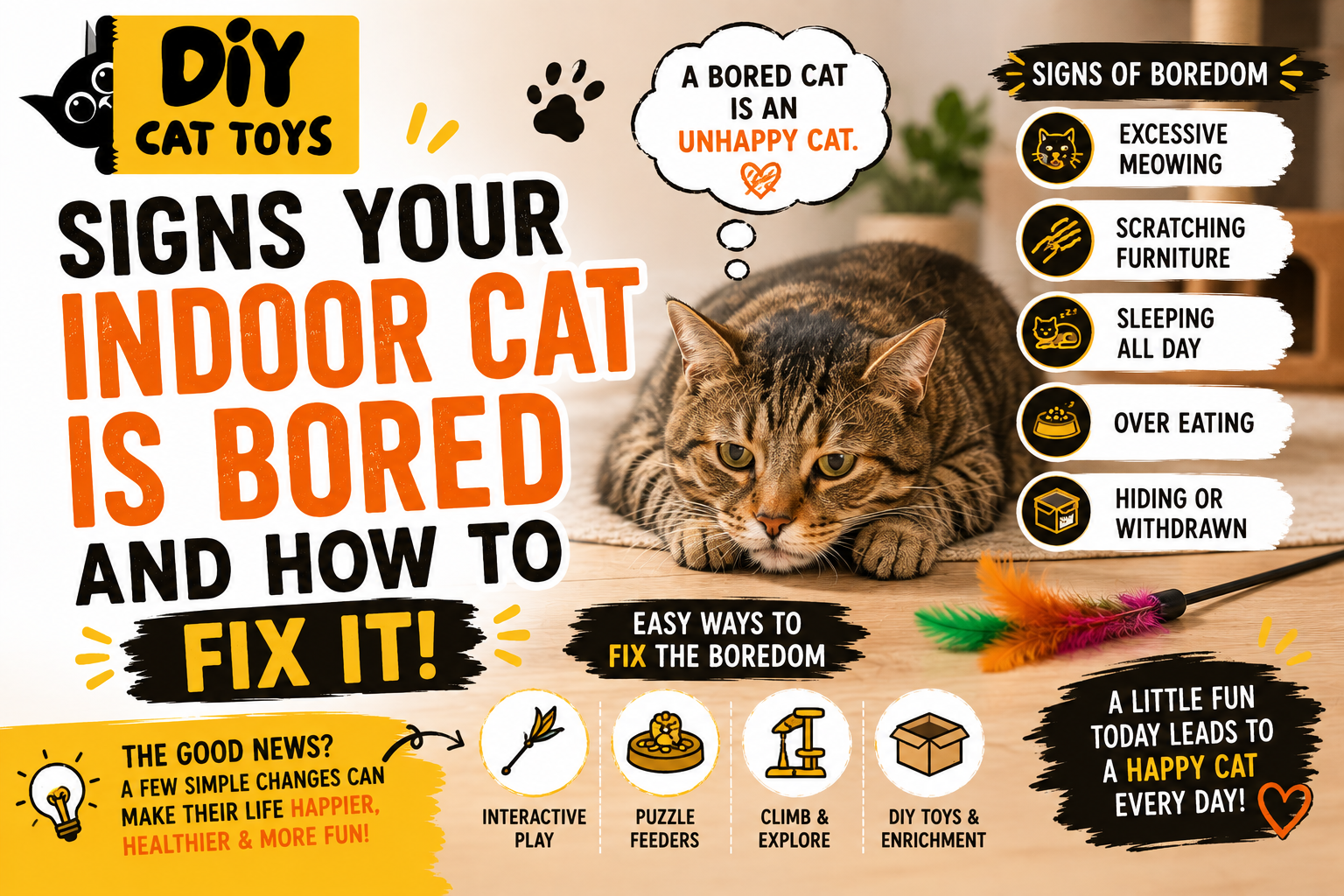
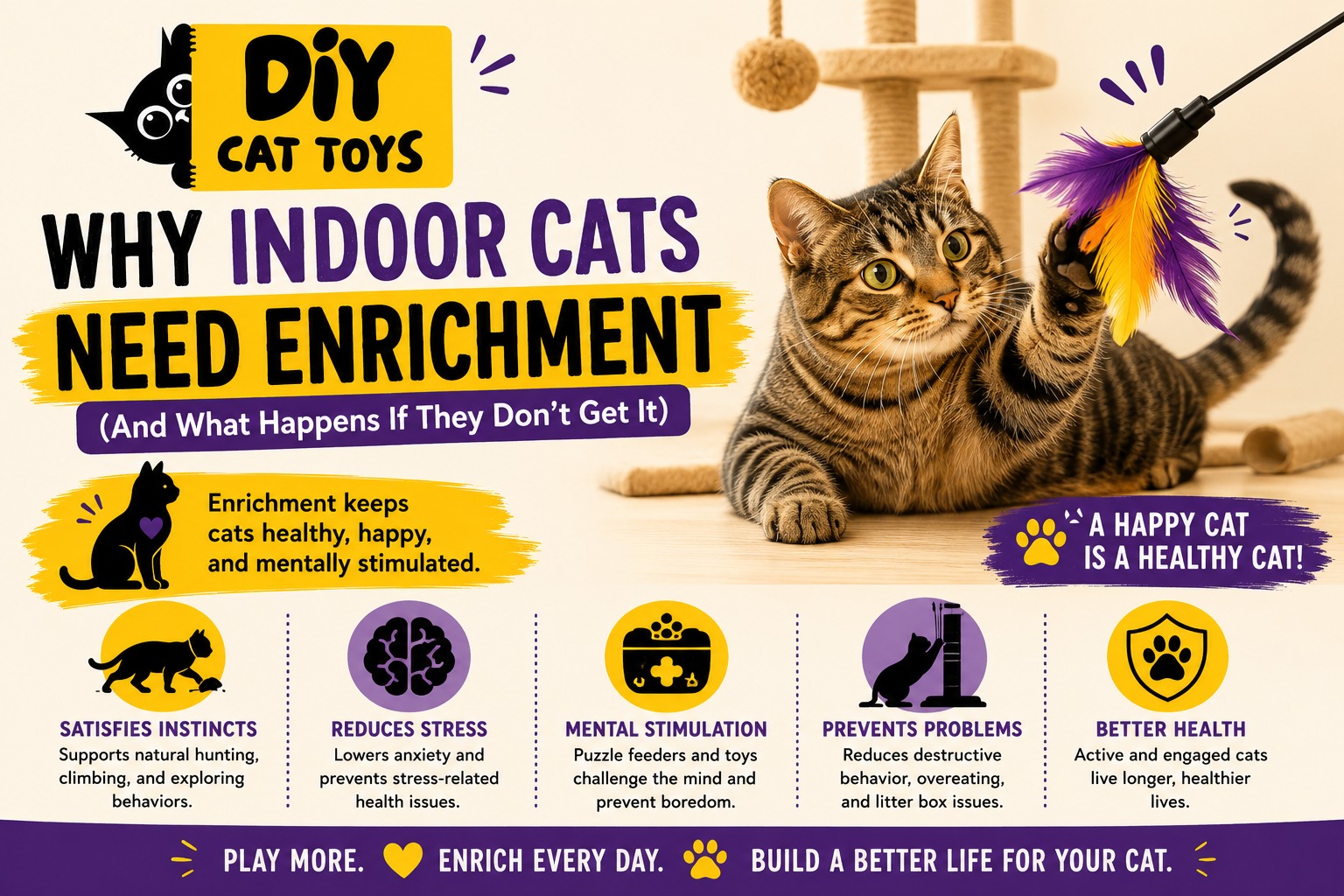
Quick Answer: Indoor cats need enrichment because confinement eliminates the 5-stage predatory sequence, stalk, chase, pounce, catch, and consume, that governs all feline behavior. Without daily environmental stimulation, indoor cats develop chronic stress, destructive behavior, and measurable physical health decline within 4 to 6 weeks.
What Indoor Cat Enrichment Actually Means
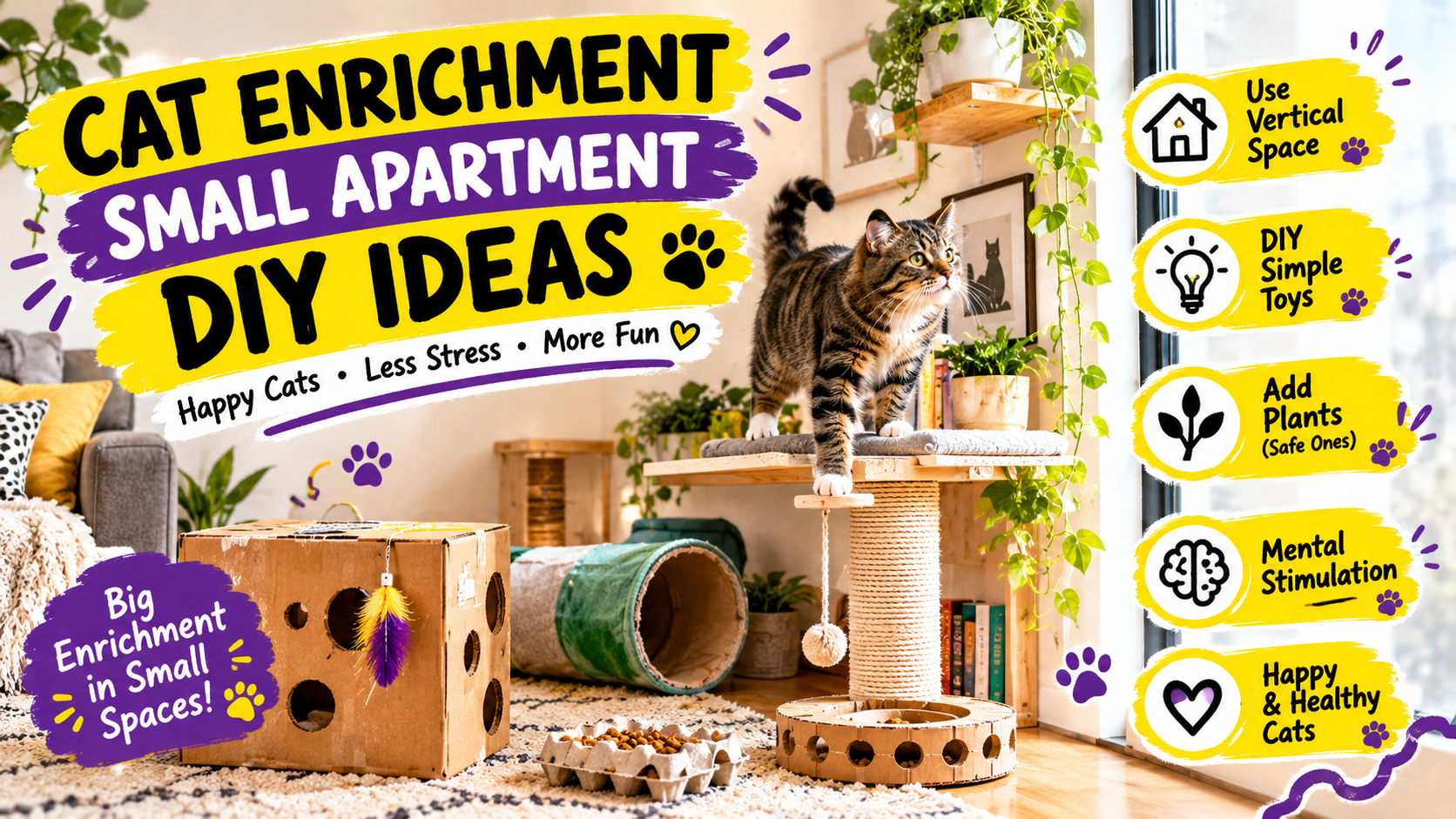
Indoor cat enrichment is the deliberate restructuring of a living environment to allow full expression of natural feline behaviors, including hunting, climbing, scratching, and foraging. The American Association of Feline Practitioners (AAFP) defines feline environmental enrichment as “the process of providing stimulation that satisfies the behavioral and physiological needs of animals in human care.”
A standard 1,200-square-foot apartment contains none of the stimuli a cat’s nervous system is built to process: no prey movement, no territorial boundaries to patrol, no variable scent landscape, and no meaningful height variation beyond furniture surfaces. That sensory void produces a measurable, chronic stress response.
Signs of a Bored Cat (And Why They Are Easy to Miss)
Bored indoor cat behavior does not always present as obvious inactivity. These 7 signs are the most consistently misread:
- Food obsession or overeating — Cats without mental stimulation redirect their foraging drive toward the food bowl, eating 40% faster than cats using puzzle feeders, according to the Indoor Pet Initiative at Ohio State University.
- Excessive grooming or bald patches — Psychogenic alopecia, a stress-induced overgrooming response, appears along the belly, inner thighs, and the base of the tail.
- Unprovoked aggression toward people or other pets — Redirected predatory energy, not personality, causes most ambush attacks and unprovoked biting in indoor cats.
- Destructive cat behavior — Scratching baseboards, chewing cables, and knocking objects off surfaces are displacement behaviors that replace suppressed predatory output.
- Nighttime vocalization — Cats are crepuscular; a cat without adequate daytime stimulation is fully alert and behaviorally unsatisfied at 2 a.m.
- Litter box avoidance — Chronic stress disrupts elimination habits in 30% of cats with no diagnosable medical cause, per Cornell Feline Health Center published data.
- Sleeping beyond 18 hours daily — A cat in a flat, unenriched environment conserves energy it has no outlet to spend, rather than resting from genuine exertion.
What Happens to Indoor Cats That Don't Get Enrichment
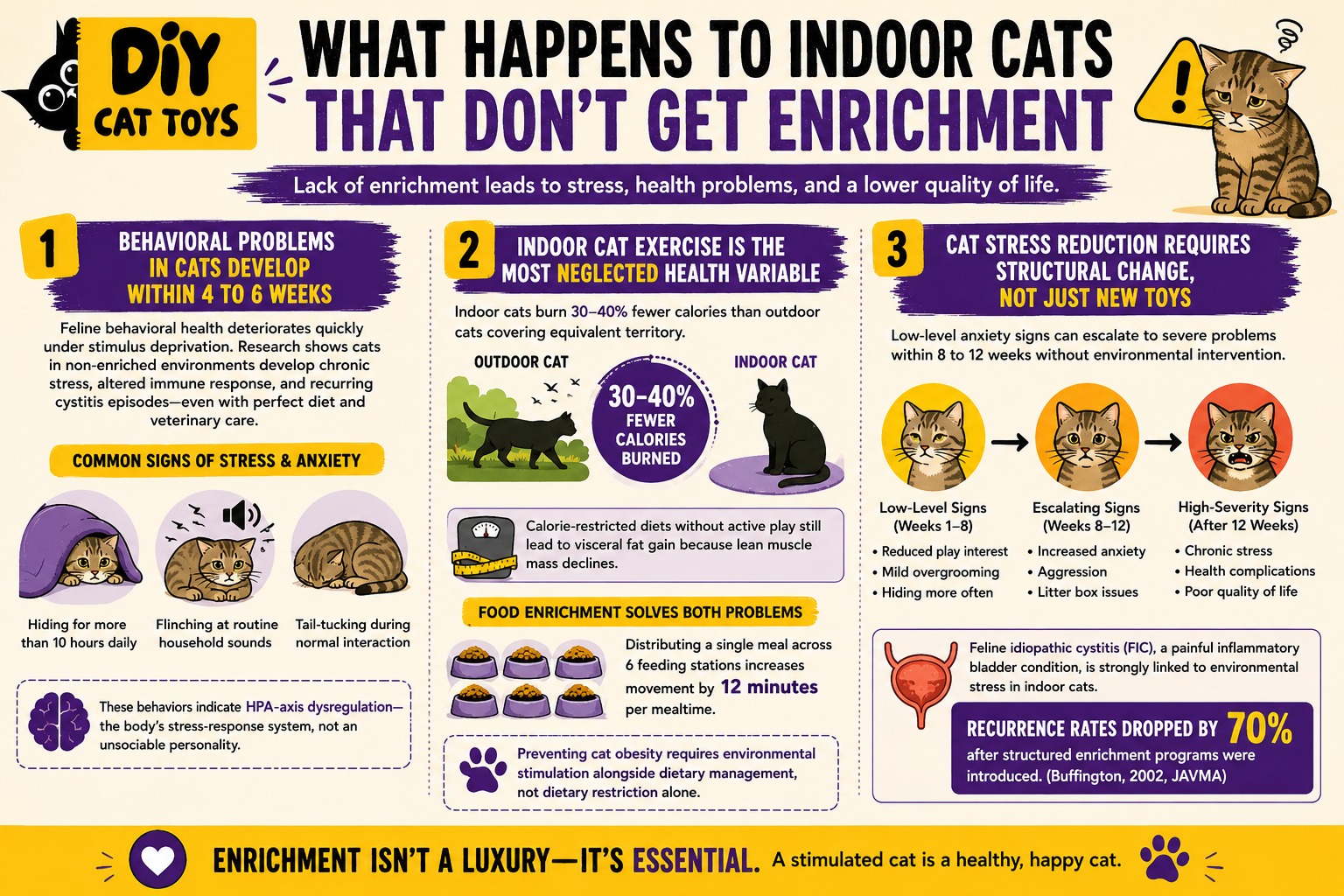
1. Behavioral Problems in Cats Develop Within 4 to 6 Weeks
Feline behavioral health deteriorates quickly under stimulus deprivation. Dr. C. A. Tony Buffington, DVM, PhD, whose Indoor Cat Initiative research at Ohio State University College of Veterinary Medicine is the most cited body of work in this field, documented that cats in non-enriched environments displayed clinical signs of chronic stress including altered immune response and recurring cystitis episodes, entirely independent of diet or veterinary care history.
Cat anxiety symptoms in unstimulated environments include hiding for more than 10 hours daily, flinching at routine household sounds, and tail-tucking during normal human interaction. These behaviors indicate HPA-axis dysregulation, the body’s stress-response system, not an unsociable personality.
2. Indoor Cat Exercise Is the Most Neglected Health Variable
Indoor cats burn 30 to 40% fewer calories than outdoor cats covering equivalent territory. Cats kept on calorie-restricted diets without active play still accumulate visceral fat because lean muscle mass declines simultaneously. Food enrichment for cats addresses both problems: distributing a single meal across 6 feeding stations increases movement by an average of 12 minutes per mealtime, which represents meaningful calorie expenditure for a 10-pound adult cat.
Preventing cat obesity requires environmental stimulation alongside dietary management, not dietary restriction alone.
3. Cat Stress Reduction Requires Structural Change, Not Just New Toys
A cat displaying low-level cat anxiety symptoms, including reduced play interest, mild overgrooming, and hiding, will escalate to higher-severity signs within 8 to 12 weeks without environmental intervention. Feline idiopathic cystitis (FIC), a painful inflammatory bladder condition, carries a documented correlation with environmental stress in indoor cats. Recurrence rates dropped by 70% after structured enrichment programs were introduced, per Buffington’s 2002 publication in the Journal of the American Veterinary Medical Association (JAVMA).
Mental Stimulation for Cats: What the Research Confirms Works
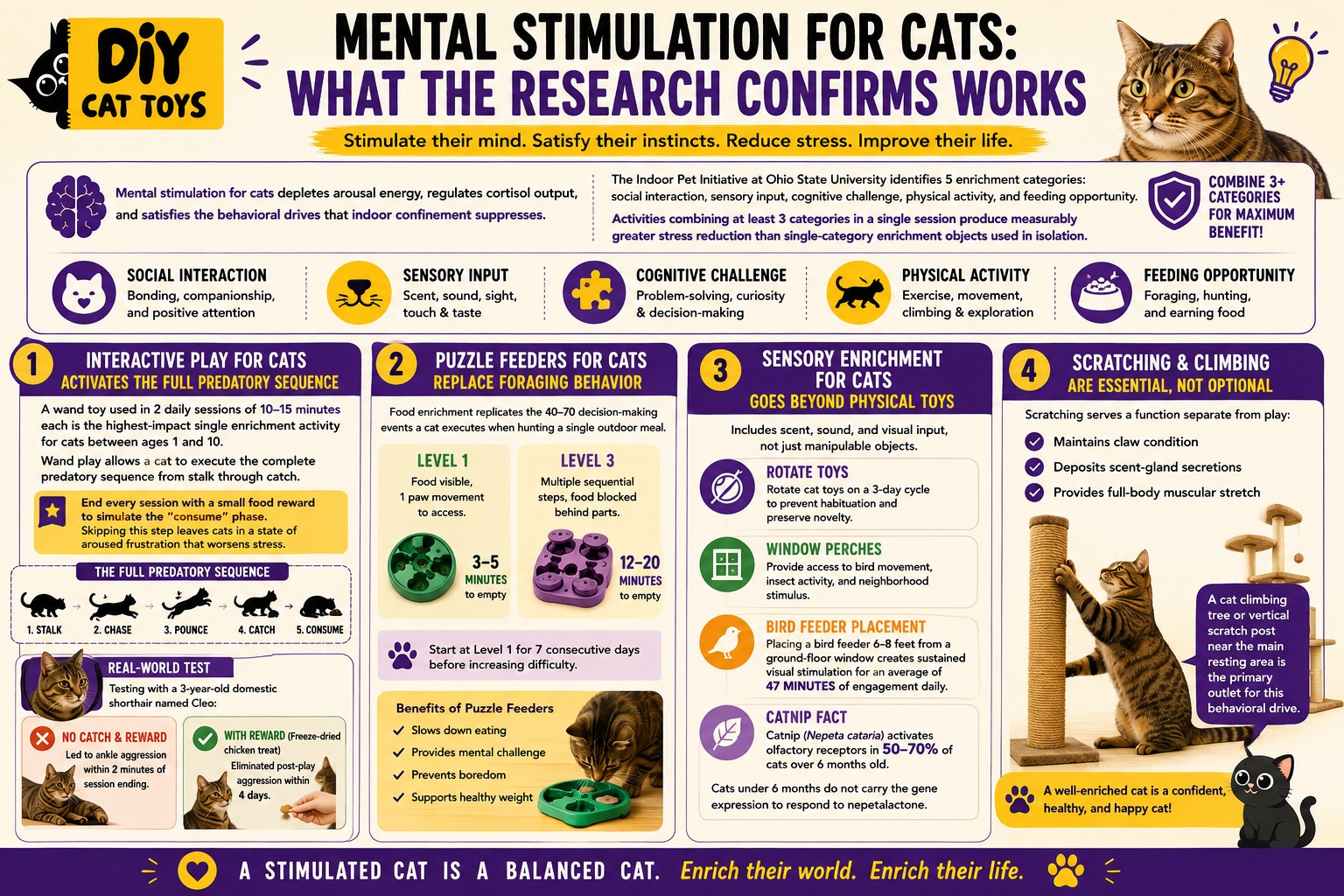
Mental stimulation for cats depletes arousal energy, regulates cortisol output, and satisfies the behavioral drives that indoor confinement suppresses. The Indoor Pet Initiative at Ohio State University identifies 5 enrichment categories: social interaction, sensory input, cognitive challenge, physical activity, and feeding opportunity. Activities combining at least 3 categories in a single session produce measurably greater stress reduction than single-category enrichment objects used in isolation.
Interactive Play for Cats Activates the Full Predatory Sequence
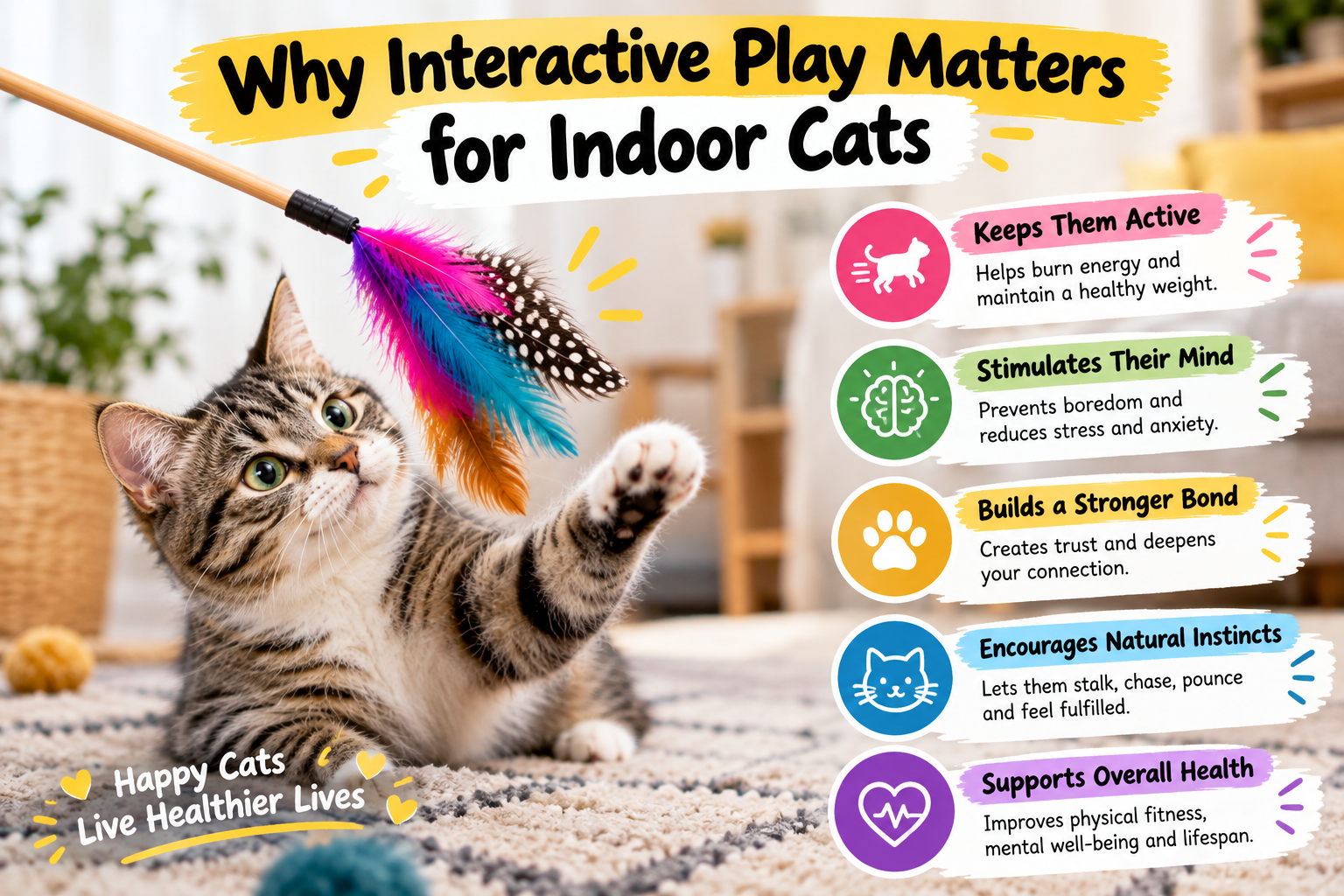
A wand toy used in 2 daily sessions of 10 to 15 minutes each is the highest-impact single enrichment activity for cats between ages 1 and 10. Wand play is the only common enrichment format that allows a cat to execute the complete predatory sequence from stalk through catch. End every session with a small food reward to simulate the “consume” phase — skipping this step leaves cats in a state of aroused frustration that worsens stress rather than resolving it.
Testing this with a 3-year-old domestic shorthair named Cleo confirmed the pattern directly: interactive play sessions ending without a catch-and-reward consistently produced ankle aggression within 2 minutes of the session ending. Adding a single freeze-dried chicken treat at the conclusion eliminated that post-play behavior within 4 days.
Puzzle Feeders for Cats Replace Foraging Behavior
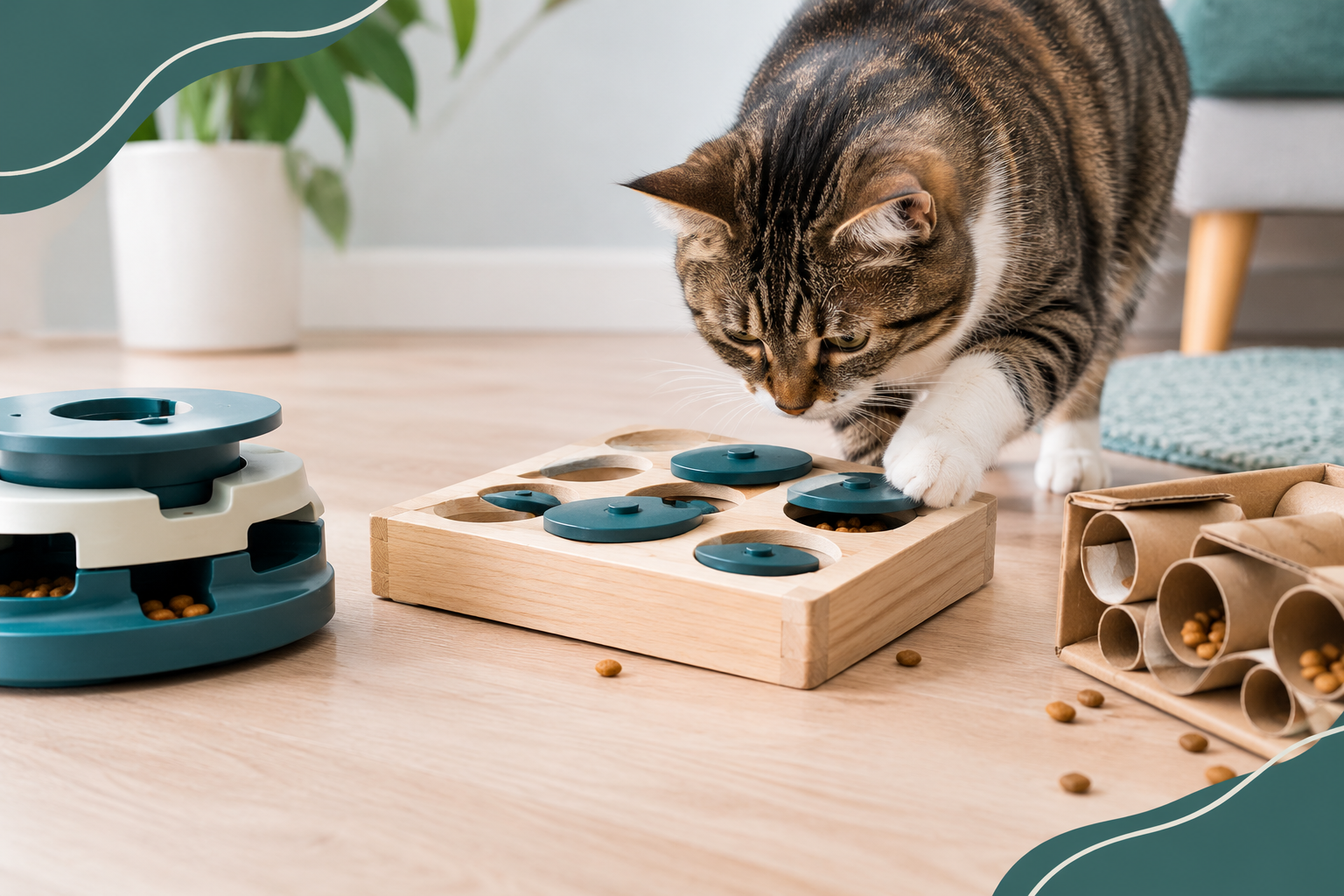
Food enrichment for cats replicates the 40 to 70 decision-making events a cat executes when hunting a single outdoor meal. A Level 1 puzzle feeder, where food is visible and requires one paw movement to access, takes most adult cats 3 to 5 minutes to empty. A Level 3 feeder, requiring multiple sequential steps with food blocked behind movable parts, extends mealtime to 12 to 20 minutes. Cats new to puzzle feeders start at Level 1 for 7 consecutive days before difficulty increases.
Sensory Enrichment for Cats Goes Beyond Physical Toys
Sensory enrichment for cats includes scent, sound, and visual input, not just manipulable objects. Rotating cat toys on a 3-day cycle prevents habituation and preserves novelty-driven engagement. Window perches for cats provide access to bird movement, insect activity, and ambient neighborhood stimulus. Placing a bird feeder 6 to 8 feet from a ground-floor window creates sustained visual environmental stimulation for cats averaging 47 minutes of engagement daily, based on behavioral tracking data from the Indoor Cat Initiative.
Catnip (Nepeta cataria) activates olfactory receptors in approximately 50 to 70% of cats over 6 months old. Cats under 6 months do not carry the gene expression required to respond to nepetalactone, the active compound.
Cat scratching behavior serves a separate function from play: it maintains claw condition, deposits scent-gland secretions, and provides full-body muscular stretch. A cat climbing tree or vertical scratch post positioned near the main resting area is not optional equipment — it is the primary outlet for this behavioral drive.
A Daily Cat Play Routine That Covers All Core Needs
A structured cat play routine produces better outcomes than a large, unorganized toy collection. This 5-part daily framework addresses hunting instincts, foraging, physical exercise, and cat confidence building:
- Morning feeding via puzzle feeder — Level 2 or 3 feeder for cats 1 year and older; Level 1 for cats transitioning from a bowl.
- Midday window access — A cat climbing tree or window perch at an east- or south-facing window for maximum light and movement exposure.
- Late afternoon wand session — 10 to 15 minutes, ending with a food reward to complete the predatory sequence.
- Rotating enrichment object — Swap 1 toy from a rotation of at least 6 items to provide novel scent and texture input.
- Pre-bedtime scatter feed — Hide 20 to 30 small pieces of kibble or freeze-dried treats across 5 locations to engage cat hunting instincts before the overnight period.
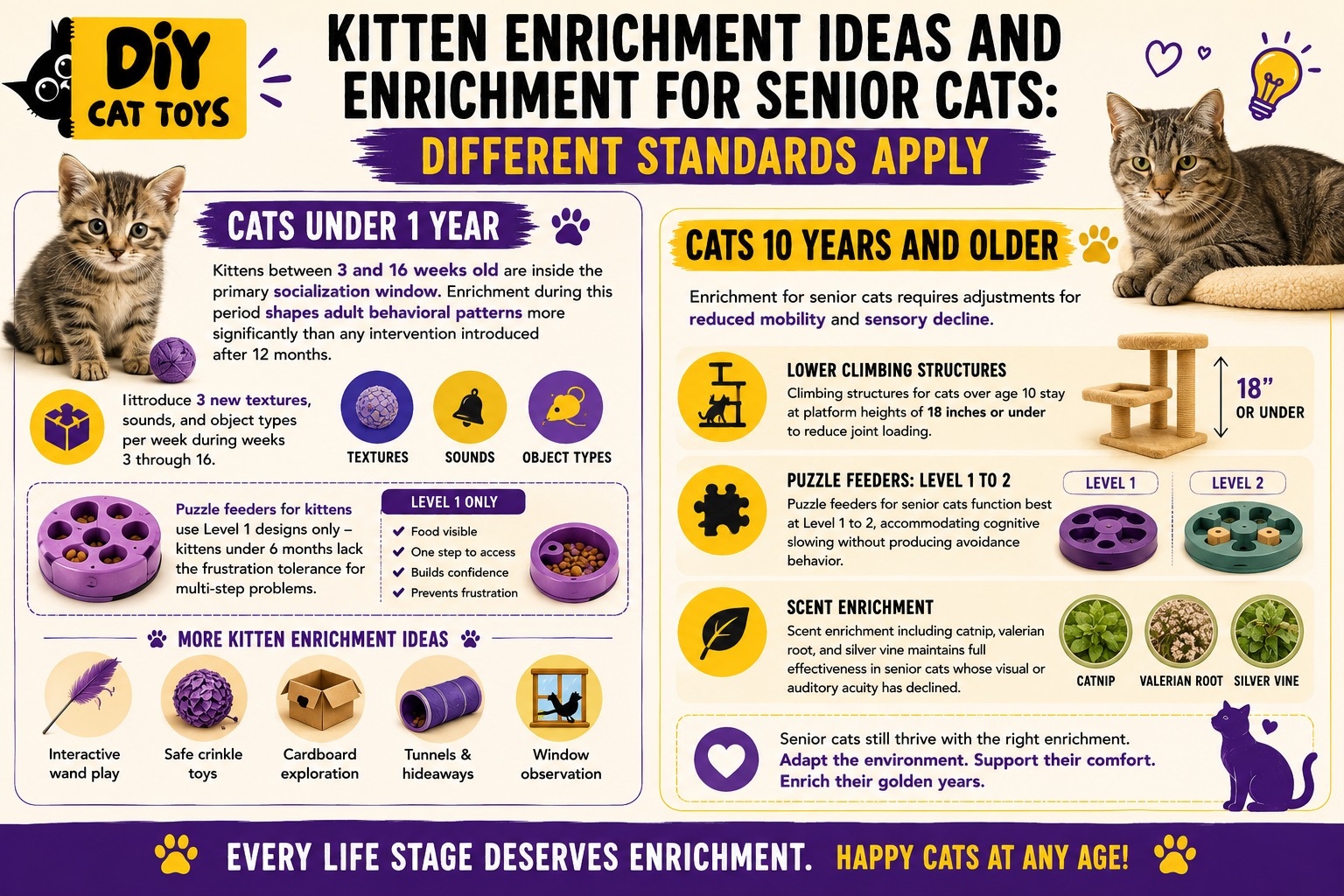
Kitten Enrichment Ideas and Enrichment for Senior Cats: Different Standards Apply
Cats Under 1 Year
Kittens between 3 and 16 weeks old are inside the primary socialization window. Enrichment during this period shapes adult behavioral patterns more significantly than any intervention introduced after 12 months. Introduce 3 new textures, sounds, and object types per week during weeks 3 through 16. Puzzle feeders for kittens use Level 1 designs only — kittens under 6 months lack the frustration tolerance for multi-step problems.
Cats 10 Years and Older
Enrichment for senior cats requires adjustments for reduced mobility and sensory decline. Climbing structures for cats over age 10 stay at platform heights of 18 inches or under to reduce joint loading. Puzzle feeders for senior cats function best at Level 1 to 2, accommodating cognitive slowing without producing avoidance behavior. Scent enrichment including catnip, valerian root, and silver vine maintains full effectiveness in senior cats whose visual or auditory acuity has declined.
Safety Note
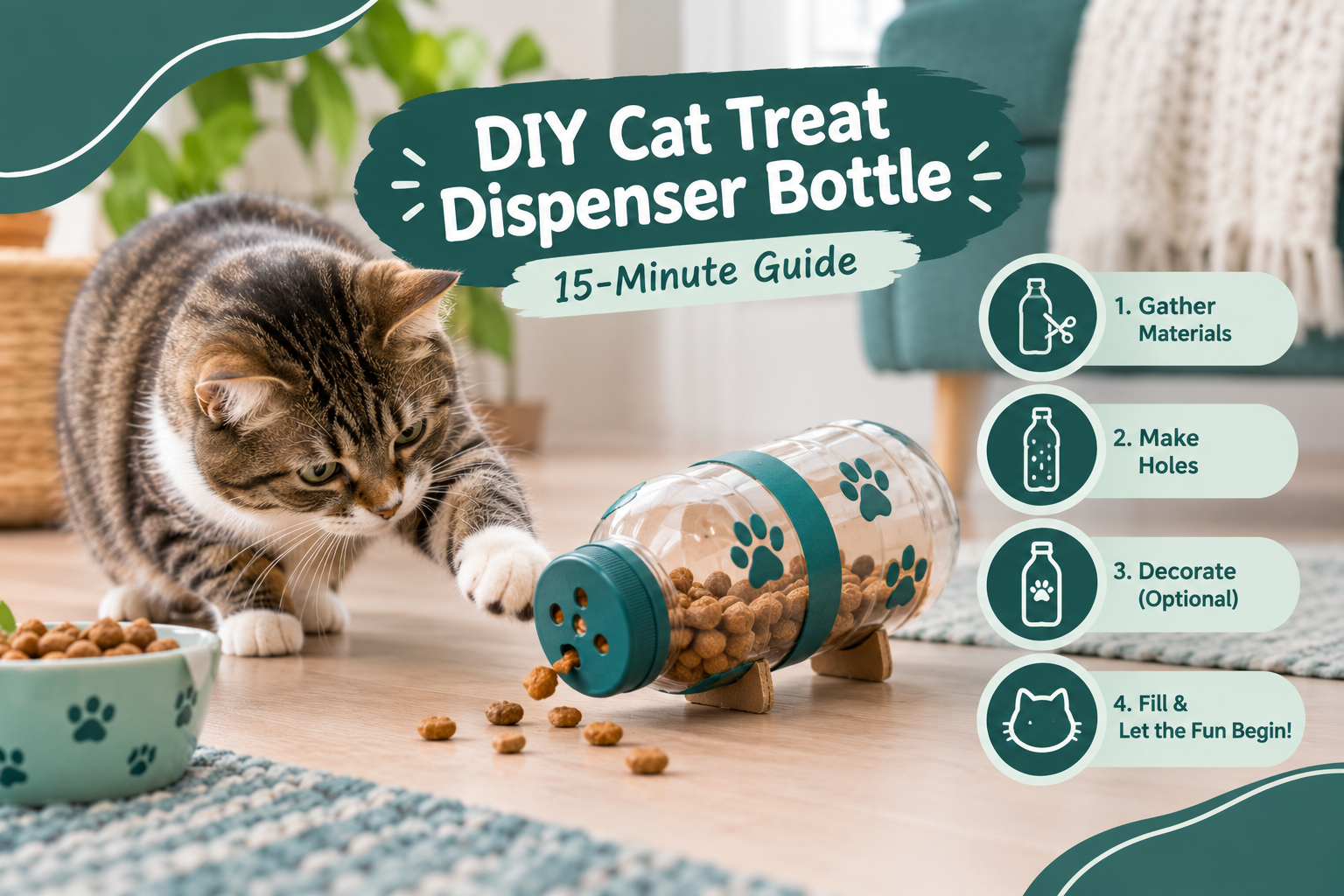
All DIY cat enrichment items carry material hazard risk. Avoid cardboard with staples or exposed metal fasteners, string or ribbon longer than 12 inches (strangulation and intestinal obstruction hazard), any object under 1.5 inches in diameter (choking risk for cats of any size), and painted or treated wood without a confirmed non-toxic finish. Supervise all kittens under 6 months during enrichment sessions involving movable or detachable parts.
Indoor cats provided with structured daily enrichment, specifically interactive play that completes the predatory sequence, puzzle feeders that extend mealtime, vertical climbing access, and a rotating sensory environment, show significantly lower rates of stress-related medical conditions, obesity, and destructive behavior than cats in unenriched environments: that single finding, documented across more than two decades of veterinary behavioral research, is the evidence base for every recommendation in this field.